Saturday, 8 August 2009

Summer Saturday Update


A classic sunny English summer's day at WTA. Leek and onion beds were weeded and 'test plot' potatoes lifted. Reluctantly dragged myself off the plot at 7.30pm this evening but pleased with what had been achieved.
The potatoes had been planted in a non-dig bed of cardboard, up-turned turf and Dairy farmer Tom's cow poo and straw. The cunning plan was to see if the spuds could break up the turf and accelerate the process of creating a new bed in matter of months - and it looks like it has worked! Stay tuned for further updates. Right now however it looks like I've ended up with a big bag of potatoes and a cleared bed! It will be interesting to see if the late potatoes planted under overturned turf last week can do same things.


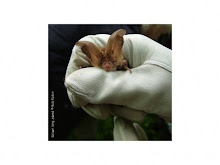
WTA's pumpkin patch has hit its straps in the last few weeks. It didn't look good for a couple of the seedlings I'd put into a pile of straw, cow poo and soil a few months ago, but rising night time temperatures have kicked in and what seemed like a potential disaster, averted. One of the miriad of bumblebees (above pic) is enjoying the pumpkin flowers - take a look at the Bumblebee Conservation Trust website under WTA's 'Hot Topics' listing - and helping produce this beauty below which was discovered this week under the foliage. (A WTA " bee posting" is in the offing.)


More veg postings to come tomorrow... Grow well!

Monday, 3 August 2009

Life, the universe, religious experience, bodily functions and compost heaps!

"My whole life had been spent
waiting for an epiphany, a manifestation of God's presence,
the kind of transcendental, magical
experience that lets you see your place in the big picture. And
that is what I had with my first compost heap."

Bette Midler


WTA loves its compost, heaps! Both compost bins were constructed pretty soon after taking on the plot almost two years ago and have produced some mighty fine 'black gold' from a combination of veg scraps, lawn clippings, garden waste, cardboard, paper and cow manure thrown on them.

WTA kitchen waste (above) headed for the temple of compost.

Being pro-recycling, WTA's compost bins have been constructed from old wooden pallets for free and 10 wooden stakes - no fuss and effective.

A black plastic composting bin - used to solely compost weeds and nettles - has also joined the crew and has converted kilos of weeds and nettles - I try to keep the two open bins as weed-free as I can.

The Inspiration
'Grand' forebears of WTA, 'Technical Tom' and 'Fred the Chemist' were mad keen composters, both of them having their own techniques and apparatus to produce the 'black gold'. Technical Tom was a fan of the 'Compost Tumbler' - a commercially made drum mounted on a frame (see pic below) on which is could be turned. Fred the chemist favoured the big multi bin approach, constructing four huge adjoining squares made out of old corrugated iron and fence posts.
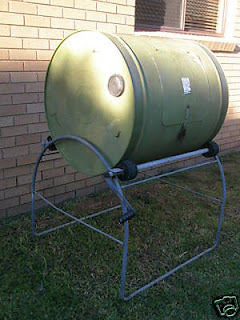

Whatever the shape or size - commercial or non-commercial - it's important to get a compost heap and find composting style to suit your garden/allotment and the type of materials you are composting.

Accelerators- keeping your heap in hyper drive.
Creating a 'Formula One heap' is a mix of art and science. WTA recommends a few inexpensive components to keep the bacterial engine of the your heap throbbing:
  • Bone meal/pelletised poutry manure - nitrogenous bacterial stimulant that feeds the microscopic buds doing the hard yards to break down the waste.

  • Gardener's Lime - great to cool things down and 'sweeten your heap' if things get to acidic in your rotting matter.
  • A good peace of thick carpet - vital for covering your compost heap warm and keeping bacteria working when the temperature drops.
  • Human urine! - even the beer or cuppa you have after a hard day's graft on the allotment can be recycled! Ensure no one is in vicinity (We don't want Allotment holders getting done for indecent exposure!) and have a good old wee (probably easier for blokes) on your heap.

Worm bins/cans
Wormeries are also an incredibly dynamic way of composting and also producing your own super quality . Wta has a an "off site" worm bin which to produce . One worm bin is far too small to handle the amount and variety of matter composted by the bins on WTA but I was lucky enough to pick a worm can similar to the one picture below on sale at a local supermarket chain. I use this little beauty to breakdown large quantities of paper waste (think of it as an enviro- shredder!) and a source of liquid fertiliser- an odourless, nutrient-rich liquid by-product, superb for fertilisng your crops.


Top Shelf composting material (But proceed with caution!)

Some of WTA's Jersey Girls - compost makers extraordinaire

WTA's custodiancan often be see roaming around the adjacent fields awith wheel barrow and shovel, followed closely by a small herd of inquisitive Jersey Cows, in search of quality cow pats. The occasional barrow load of cowpats on the compost heap does a world of wonders
for the end product. But be wary! You've got to know your shit! Problems with herbicide in some animal manure used on allotments was well publicised last year. Ask the owners of the land, on which the animals you get you poo from graze, what sort of pesticides and herbicides are used on the pasture. When in doubt leave it out! If you're new to the allotment game or missed the whole herbicide and animalmanure debarcle take a look at the relevant links and No. 10 petition listed under 'Hot Topics' on this site.

Get composting and grow really well!

Saturday, 1 August 2009

The Green Revolution continues!


Hey farmer, farmer
put away your DDT now
Give me spots on my apples
But leave me the birds and the bees
Please!
(Big Yellow Taxi - Joni Mitchell)

A good week all up on WTA. The rain has been brilliant -no problems about finding water for the veg and it's free! The Met (British weather bureau) back-tracked on their previous forecast that we were destined for a 'BBQ summer' this week and have now said the 'Green and Pleasant Land' can expect quite a lot of the wet stuff into August - them's the breaks! It's throwing it down as I write this post.

Earlier in the week I decided to show a bit of The Anglo-Aussie spirit and head out on WTA despite the showers. It's relatively cathartic working away in the rain and I managed to get my 'late' seed potatoes planted and cut the last remaining bit of turf out of the the lower bed.

The last of Mariner Tim's onions were finally picked yesterday. Even after using quite a lot straight out of the ground, I still have four boxes of 'whites' and 'reds' left drying out in the garage due to the wet conditions. Mariner Tim dug the plot these onions were planted in and then helped me plant the sets last year. The results of his handy work are impressive...


After bit of weeding , digging and blood and bone fertiliser, the old onion bed was ready to take some Trafalgar Brussel Sprout and Dwarf kale seedlings I've been meaning to plant for ages (The rain has also been fab for watering things in!).

The cauliflowers (igloo and all-year-round) are now being harvested and used in dishes from Cauliflower Balti to soups. I've literally just made a 'cauliflower and cashew' nut soup gleaned from a Women's Institute soup recipe book I picked up cheap a couple of months ago it's a winner! Cauli's are a great veg to grow if you got a reasonable amount of space. They not only taste incredible when cooked well or eaten raw but are look spectacular looking vegetable when in their prime. This week WTA ordered some Mayflower (F1) cauliflower from Marshalls for Autumn planting. I've also got some 'Ideal' carrot and Borecole (Curly Kale, F1 reflex) seeds from Dobies that will hit the soil in the next few days.

Organic v. Non organic debate

The news that organic fruit and veg had the same nutrient levels as non organic veg hit the headlines this week if you hadn't noticed. The reporting of the issue seemed to miss the point why a lot of people grow and eat organic produce: that being many want to know what or, in the case of organic veg, what hasn't been used on food that we eat.
I've started a new "Hot topics" links section on the blog if you feel inclined to look at some of the issues that affect allotment owners and 'grow your own enthusiasts' in general. I've put a link to the latest BBC report on the organic v non organic nutrient level research presented this week.
No commercial pesticides are used on WTA - a decision I feel is a wise one when I see a plethora of bumble bees, native bees and a variety of bird life including Mistle Thrushes, Blackbirds, Wrens and Robins in and around the plants and hedges.

'Natural' Options for Pest and Problems

If and when there comes a time when WTA needs a bit of assisted pest control, I'm heading for the 'natural' options. The people at 'Gardening Australia' - the Aussie version of the BBC's Gardener's World have put a a brilliant 'fact sheet' on their website on making your own pesticides and herbicides from a combination of things including garlic, chillies, bi-carbonate of soda, vinegar, molasses and eco-friendly washing up detergents. I've created a link to the site under 'Pests and Solutions'
In the mean time these pesticide/chemical free broad bean beauties below are destined for the table tonight...Grow and eat well!

Thursday, 23 July 2009

Monsters lurking on WTA!


Yeah, I know! I shouldn't have let these courgettes get so big, but hey, it happened...and these two monsters are being converted into four different varieties of courgette soup (see recipes I'm using in my links) as I write. Perhaps I should rename this bed the "Sigmund Freud Organic Bed" in honour of the incredibly phallic fruits that are abounding there! One of the 'mammoth courgettes picture has already made 5.5 litres of soup alone. In the past few days I felt like oneof the characters of the classic film 'Jaws' as I set out for WTA. I've known that lurking somewhere in that non dig bed is the mother of all over-sized courgettes that needs to be hunted down, harvested and then turned into some edible form!
The amount Courgette recipes on the net is astounding and exciting. Being a bit of a fan of Jamie Oliver I delved into his "Happy days" cook book and used his courgette salad recipe (See recipe links). The recipe is a corker and a great example of how British cooking has and is still being revolutionised by some creative thinking. My main challenge right now is to find and make a large variety of genuinely superlative courgette soup recipes...


Here's some courgette soup I made earlier!


The finished product...
with still more to make!

Faced with a further courgette surge The Hearing Scientist cleverly suggested we try char- grilling some of the smaller fruits emerging on the plants . A foray out onto WTA yesterday evening pr produced a a further three or four more kilos of courgettes. We then fired up the gas BBB in the back yard and formed a cutting and char-grill production line with the following results...

These Mediterranean -style delicacies are being frozen this morning and will be pulled out and eaten as and when needed in the autumn and winter.

Part of the onion crop (whites) Mariner Tim helped plant late last year were harvested this morning - a process that fed my increasing fascination with the onion as a plant and a desire to grow even more (I've already ordered some sets from Dobies and plan to grow more from seed rather than set in the coming year). Onions are a big part of my cooking and it's been brilliant to simply cross the road, dig some from the dark soil, take them back to the house and use them straight away. Mariner Tim is mucking about on boats with the glitterati somewhere off the coast of Monaco, but he might get to enjoy the fruits of his labours when he returns and the onions store well.

The 'Late' seed potatoes arrived this week so it won't belong before I have the little beauties in the ground in the next few days. A quick dig of some main crop spuds that are dying off was like uncovering a treasure trove of large, uncut white diamonds from the soil, cow manure and straw covering them.


Things are growing at a rate of knots with the warm weather we've been having and you can see from the pic below there's no shortage of great, fresh produce coming on. I'm just off to see what else is lurking out there...Grow well!

Sunday, 12 July 2009

Parmex carrots and broad bean bruchetta

No, they're not radishes or golf balls with green stalks,! They're the Parmex carrots and courgettes now in season and being picked nearly every day of WTA...


The size and shape of Parmex carrots makes them extremely versatile. for cooking on the BBQ, being put raw in salads or being steamed. Planting two, four metre rows of 'parmex' seemed pretty ambitious but I'm really glad I gave them the space I did considering the taste how many that already eaten as part of lunches and dinners.

This year I've stuck with Thompson and Morgan seeds to grow my courgettes (Soliel & Defender) and it's turning out to be another amazing year for these under-rated vegetables.
Take a look at the new WTA 'good recipes' links section to see what's happening with some of the produced including courgettes being picked right now. Fresh courgettes have a real buttery taste to them. and like so many vege benefit from being cooked ASAP after being harvested.

WTA's BBQ Courgette recipe.
1. Heat BBQ grill for 15 minutes.
2. While the BBQ grill is warming pick your courgettes.
3. Cut the Courgette lengths ways into relatively thin strips (about 1cm max).
4. Place courgettes on the BBQ grill.
5. Cook for approximately 10 minutes until char grilled but not limp!
6.Serve and eat (drizzle with virgin olive oil or balsamic vinegar if desired)


Nige the psych swung through WTA this weekend. Nige is a "foodie" so it was great to be able to o offer him all that is coning off the plot right now. Last night I went out picked some broad beans (Long Pods) and then made a broad bean bruchetta (see WTA recipe links). The result was stunning if I do say myself! Like courgettes, broad beans are underrated or even hated by many! This is probably because people are used to eating them after the beans have been cooked within an inch of their lives and have a deathly grey appearance about them. Luckily there seems to have been an groundswell amongst chefs to end persecution of this delicious legume with the publication of numerous tremendous recipes for these beans. Going by the prices some supermarkets are charging for broad beans this year, there are plenty of financial benefits to raising these easy-to grow vege.Grow well...

Thursday, 9 July 2009

WTA...here comes the weekend!


Thought I'd post a couple of pics taken a few weeks ago
on WTA. Some heavy rain this week has come as welcome
relief to the soil which dried out quickly during the hot spell.
Plans and jobs for the weekend include:
  • Planting out the last brassica seedlings (caulis and sprouts) I have.
  • Sowing autumn carrots.
  • Transplanting reamaining celeraic and sweet corn seedlings
  • A "cheeky sowing"of some more parsnips seeds.
  • Sowing some fennel seeds.
  • Transplanting a mass of golden beetroot seedlings left over from last week.
  • Transplanting 24 dwarf kale seedlings (I there's space!!).


The pics above are of some 'late' pumpkins I grew from seed being planted in a newly established bed. A large piece of carpet dumped in a nearby field by fly tippers last year was initially used to cover the new pumkin bed to kill off grass and weeds and clear the area. Ultimately a good result from a criminal act!


Leeks (grown from 'Wilkos' seed), climbing French beans (Cobra)
and some potatoes (White Wonder I think!) planted from 'left over' sprouting spuds a neighbour gave me in a bag and planted with the help of Johnny Bridgemiester in October last year! Grow well...